“Nature’s Lawyer“
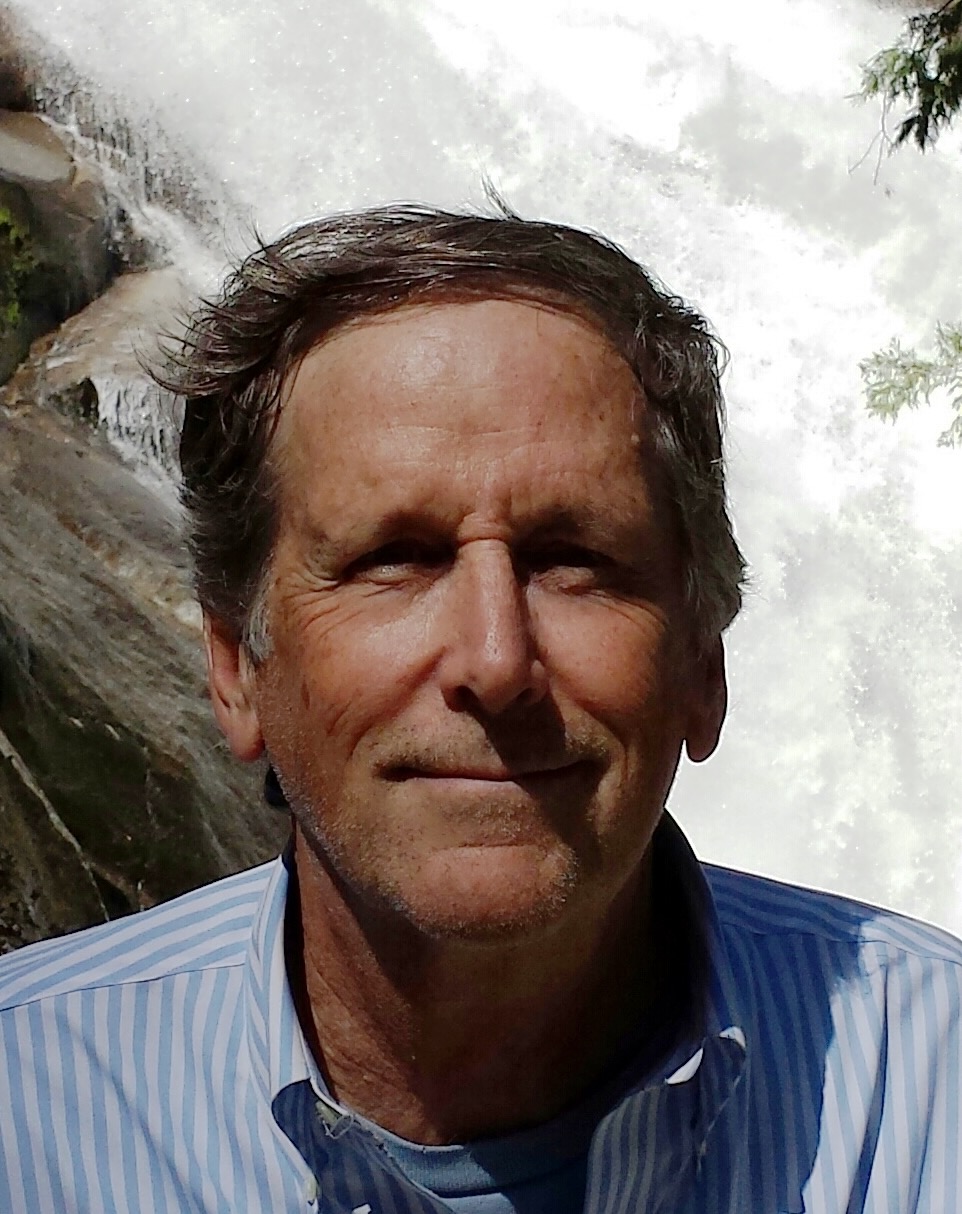
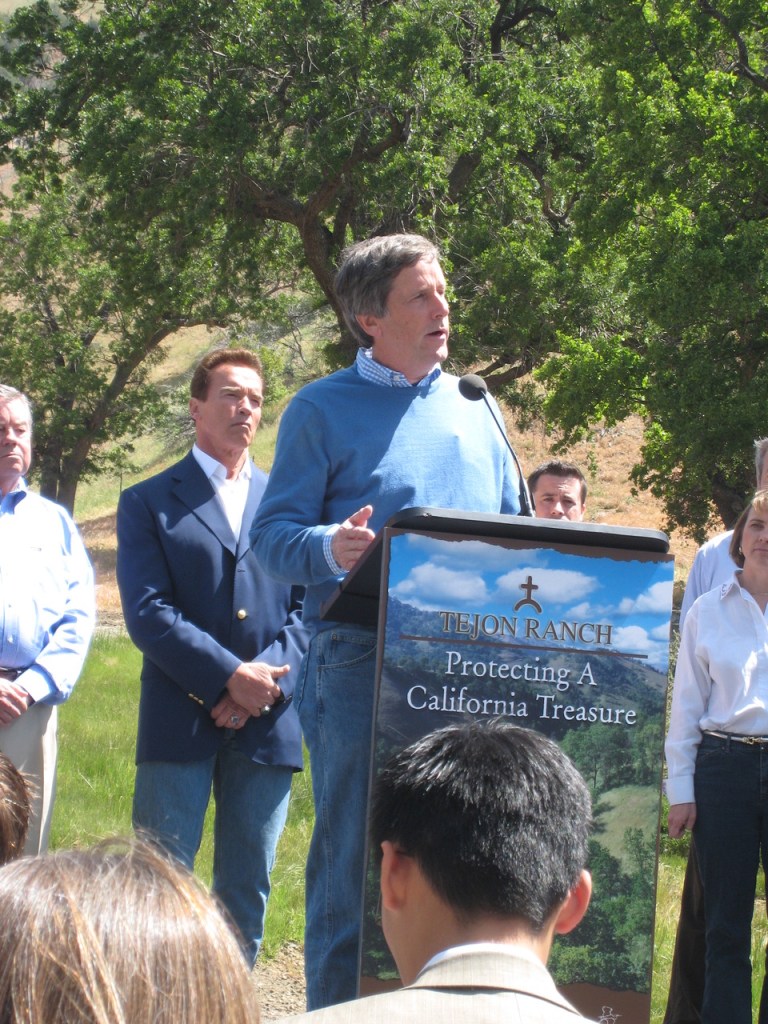
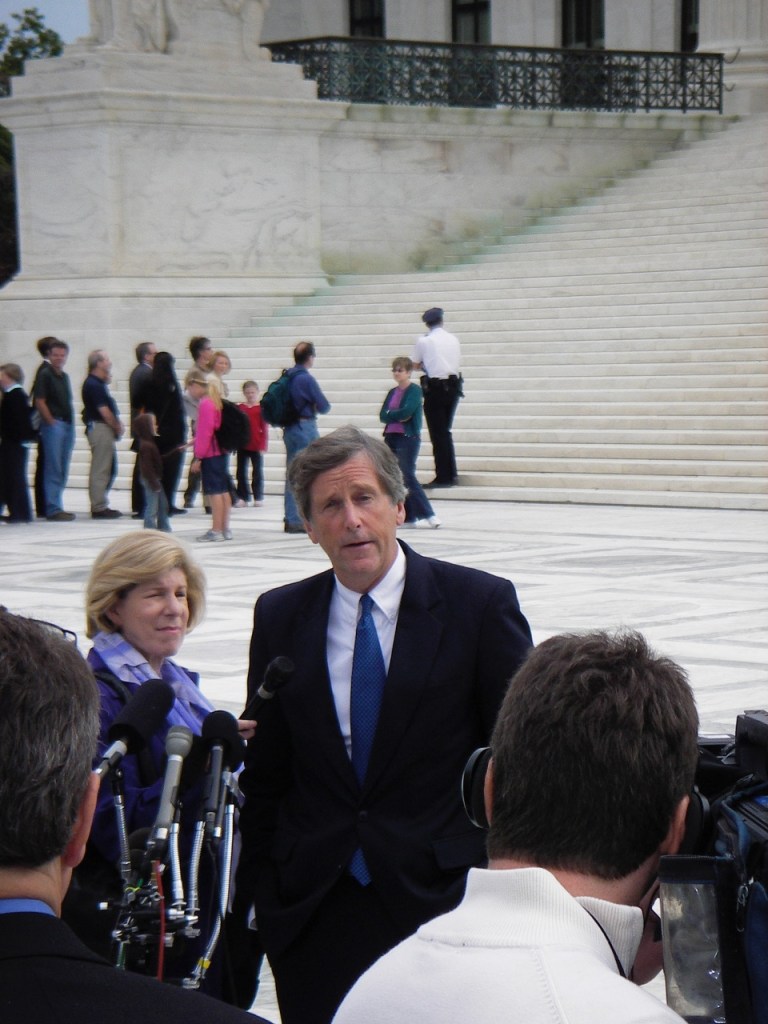
Joel Reynolds has been called “Nature’s Lawyer” and “the Earth’s best defense.” Since 1980 he has been an environmental litigator and advocate in Los Angeles, first with the Center for Law in the Public Interest and since 1990 with the Natural Resources Defense Council (NRDC) as Senior Attorney and Western Director. But he realized early on that protecting earth’s most biodiverse places required more than filing briefs; it required all-out campaigns that coordinate diverse strategies and partners over many years to achieve lasting protection.
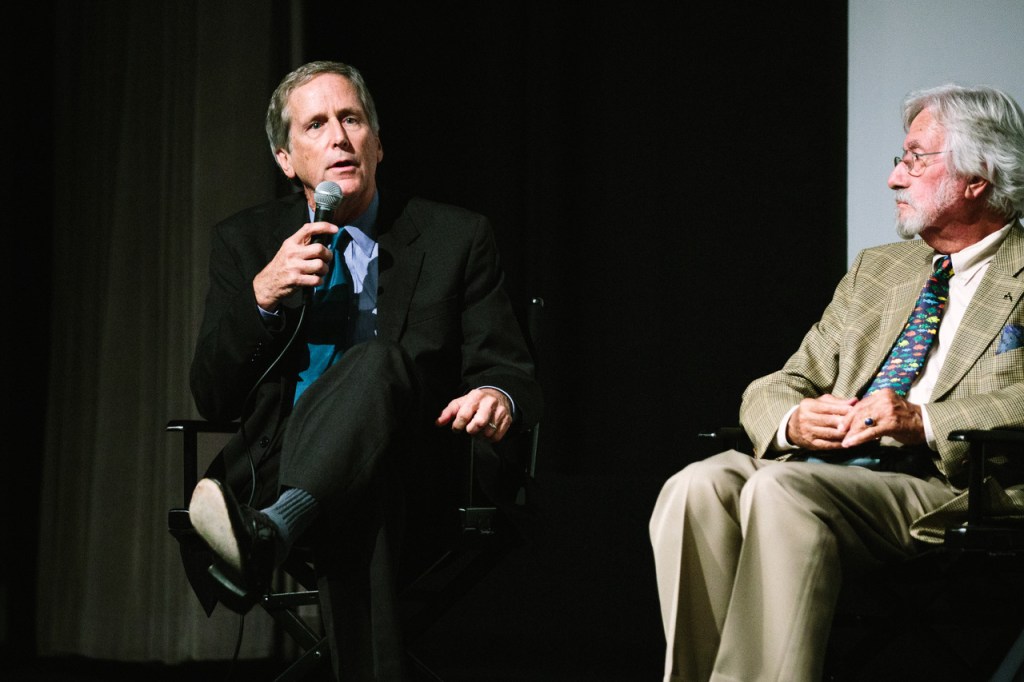
Joel is also forever linked with whales, the largest animals on earth. He was a central character in the prize-winning book War of the Whales and Executive Producer of the Discovery Channel’s Emmy-winning film Sonic Sea, about how sound pollution in our oceans impacts whales and other marine mammals.
Now approaching his mid-70s and still working as hard as ever, I wanted to understand how Joel’s passion developed and what sustains it over such a long period. I sat down with him in April 2026 to find out.
Smoggy Riverside & A Political Awakening
Joel grew up in Riverside, California, one of six children. His father was a UC Riverside music professor and choral conductor. “We learned early to read music — before we learned to read words!” When I asked what values he absorbed, he said, “honestly, what stands out, besides music, is the integrity of my father and the incredible kindness of my mother.”
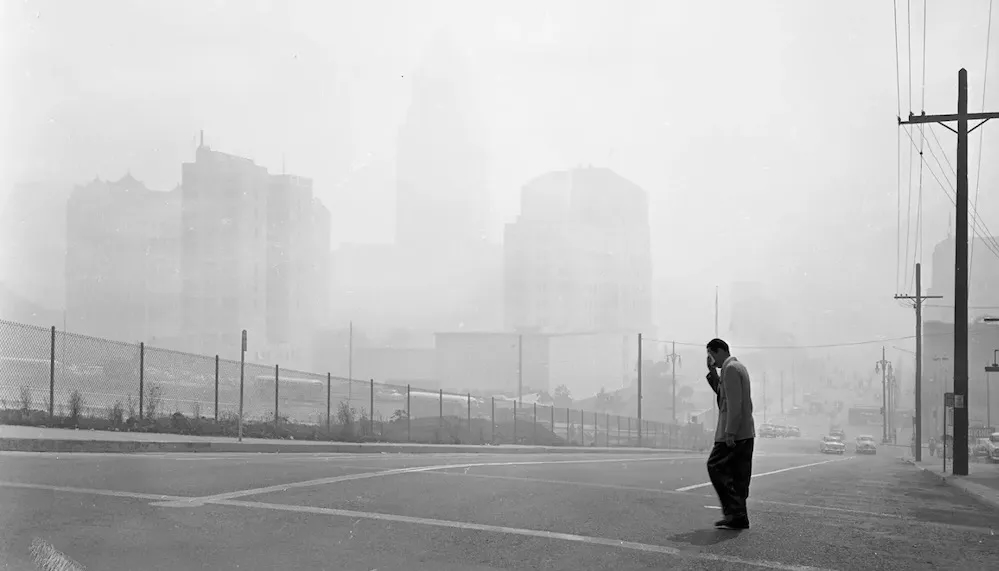
But what shaped his future path most wasn’t music, it was the air itself. In the 1960s, Riverside was the smoggiest city in the country. For a young athlete, the environment was punishing. “I can still remember taking a deep breath on a summer day after hours running around in the dirty air and heat. It was like a knife in my ribs.”
He also noticed what was happening politically. JFK was assassinated when he was in 5th grade, which he recalls stopped the world for several days. He became fascinated with the Kennedy family, especially Robert Kennedy. “He developed from a ruthless enforcer for his brother to somebody who had suffered intensely and developed a deep compassion for people who were less fortunate.” That combination of compassion and public service made a lasting impression. “He has probably had the greatest influence of any public figure on my own life.”
Turning to Law and the Environment
Joel studied music and political science in college. But his trajectory changed in 1973 when he took a 7-month internship with the EPA in Washington, D.C., working on automobile emissions regulation, the very issue that had plagued him as a child. He said the internship “planted the seeds” for his career in environmental law.
At Columbia Law School, he took the only two environmental law courses offered, most notably with Abraham D. Sofaer, who in the late 1970’s had served as Administrative Law Judge overseeing clean-up of PCB contamination of the Hudson River by GE. Nominated by Sofaer, Joel later won the top student essay award for his article on toxic substances.
His first major test after law school came at the Center for Law in the Public Interest, where he was immediately given responsibility for opposing licensing of the Diablo Canyon nuclear plant on the central California coast. “I worked day and night and learned on the job the trade of environmental litigation.” Through that assignment, he began building the expertise and relationships with community organizations that would define his career.
Leading Campaigns for NRDC
In 1990, with Joel as their first litigator, NRDC opened an LA office focused on urban environmental issues, including representation of low-income communities. “In those days, before the term environmental justice had become part of our common vocabulary, I called myself an environmental poverty lawyer,” representing communities defending themselves against projects “that have to go somewhere,” like incinerators, prisons, highways, and warehouses. He filed his first case for NRDC just three days after starting—opposing California’s first large-scale toxic waste incinerator on behalf of the Mothers of East Los Angeles—and he hasn’t stopped since.
However, his career soon took an unexpected turn toward the sea. The catalyst was the U.S. Navy’s “ship shock” program—massive underwater explosions planned for the Channel Islands, home to 33 species of marine mammals. Joel sued to block the program. “I wasn’t a whale person. I had never seen a whale before.” But whales were at the center of the case, and an injunction was issued.
It launched him into pioneering work on ocean noise pollution, including the discovery of a classified Navy sonar system capable of flooding vast areas of ocean with dangerous levels of sound. “No court had ever been presented with this issue. We were creating a new area of environmental law,” he said.
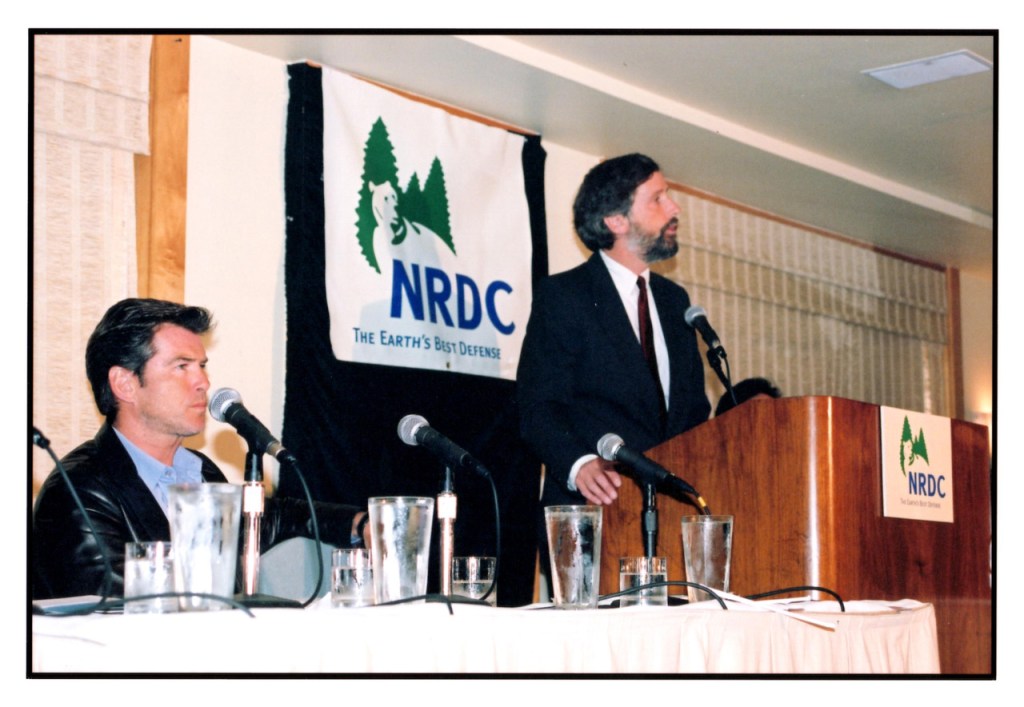


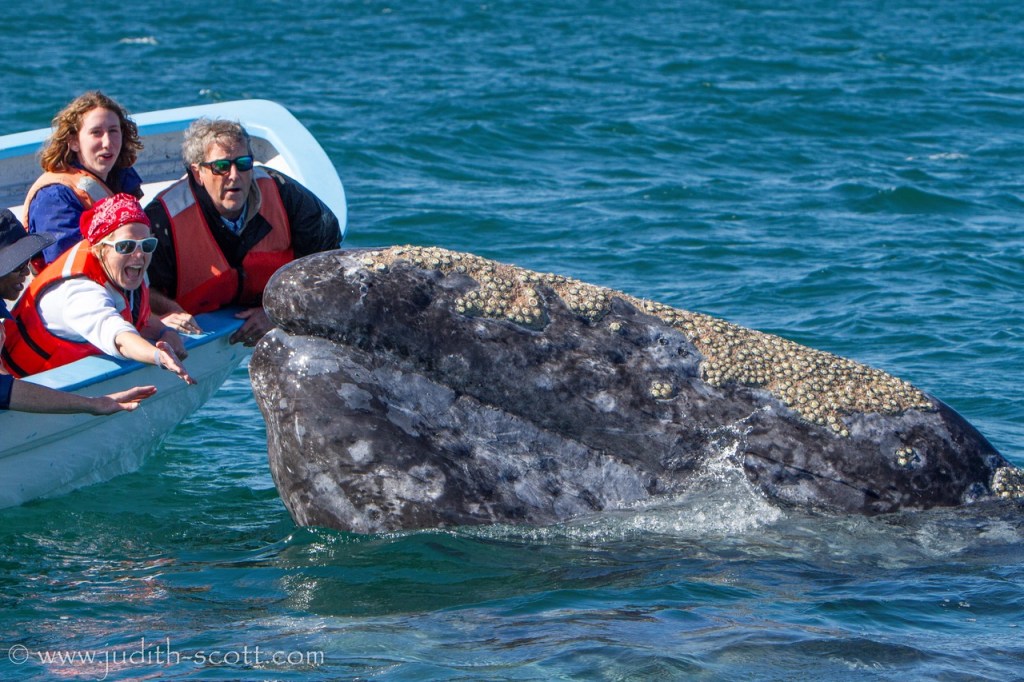
That expertise proved critical in 1995, when Mexico and Mitsubishi proposed the world’s largest industrial salt plant at Laguna San Ignacio, along the Baja California coast. As the last undisturbed breeding lagoon for gray whales on Earth, the project threatened the species. For Joel, the project “just didn’t make sense–environmentally, legally, economically, scientifically, or spiritually.” Since U.S. law didn’t apply in Mexico, Joel and NRDC pivoted to a comprehensive international campaign, building a coalition of local fishermen, scientists, activists, and celebrities. After five years of pressure, Mexico abandoned the project. “It was groundbreaking and became a template for future campaigns.”
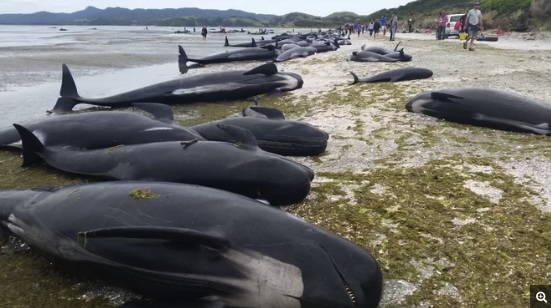
Later that same month, a widely publicized mass stranding of whales occurred in the Bahamas. An investigation by NRDC and others revealed a U.S. Navy submarine detection system as the cause. The ensuing legal battle became the subject of War of the Whales and Sonic Sea, pitting national security against the survival of marine life.
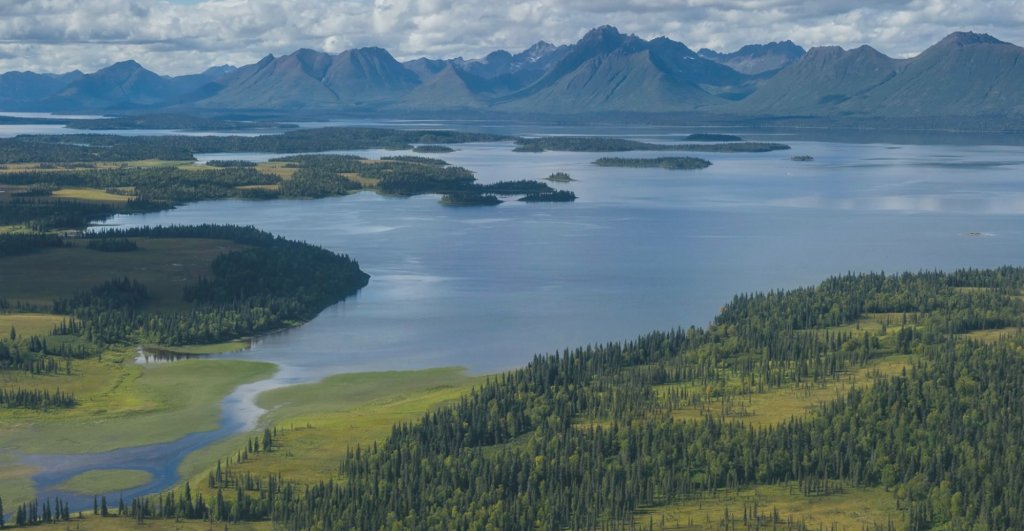
There have been many campaigns since. One of the most compelling for Joel is the decades-long battle against the massive proposed open-pit Pebble Mine in southwest Alaska, where he has worked with native tribes, fishermen, business leaders, and conservationists to protect the 40,000-square-mile Bristol Bay watershed—the world’s largest wild salmon fishery. “It would be an outrageous environmental injustice to allow the destruction of an entire region—its ecosystem, its culture, and a way of life that has existed successfully for a thousand years — in the pursuit of profit by this company or anyone else.”
As we wrapped up, Joel was preparing to fly to the Gulf of California—what Jacques Cousteau called “the Aquarium of the World”—to work with Mexican partners on a campaign opposing three LNG terminals proposed for transport of US natural gas to Asia. “The Gulf is an iconic hotspot of biodiversity at its best on Earth, and this destructive scheme has to be stopped.”
Core Values & Philosophy
So, what drives Joel’s long-running efforts? At its heart his most fundamental driver seems to be a “love of nature and outrage at injustice,” combining environmental passion with a sense of justice. “Nature isn’t a luxury. It isn’t an expendable resource. It’s essential, and we either learn to co-exist with it or jeopardize our survival.”
Since he was young, he has drawn inspiration from the Sierra Nevadas and John Muir, who spoke of nature as a divine, sacred space. Joel finds that connection at his ranch near Kings Canyon National Park, and especially at Muir Rock, where Muir led tours and shared his ideas about the natural world. He has also taken his children to Laguna San Ignacio, which he considers one of the greatest places anywhere for interaction with wildlife. “It may be the best thing I ever did as a father.”
Another of Joel’s central themes is compassion, reflected in Robert Kennedy’s model of public service. “I think fundamentally that people who are fortunate, as I am, have an obligation to contribute. Life is short. I could use that time to make more money, but that’s never been interesting to me.”
Long-Term Vision
Joel has a long-term view of priorities: “Five hundred years from now,” Joel said, “nothing we do today will matter more to future generations than what we do to leave them clean air, clean water, a stable climate, thriving wildlife and wild places, and cities where children can grow up free from dangerous toxics. That’s why I’ve spent so many years doing this work.”
He continues to look for battles that truly matter, to fight for nature and against injustice, and to defend environmental progress that can be appreciated by our children and future generations. And maybe others, in their own way, will be moved to do the same.
Resources & Links
Natural Resources Defense Council
War of the Whales (book)
Sonic Sea (movie)
Article: “Saving Laguna San Ignacio: 20 Years and Counting”
 The Ethos Project
Leave a comment