Asks the question: what kind of ancestor will we be?
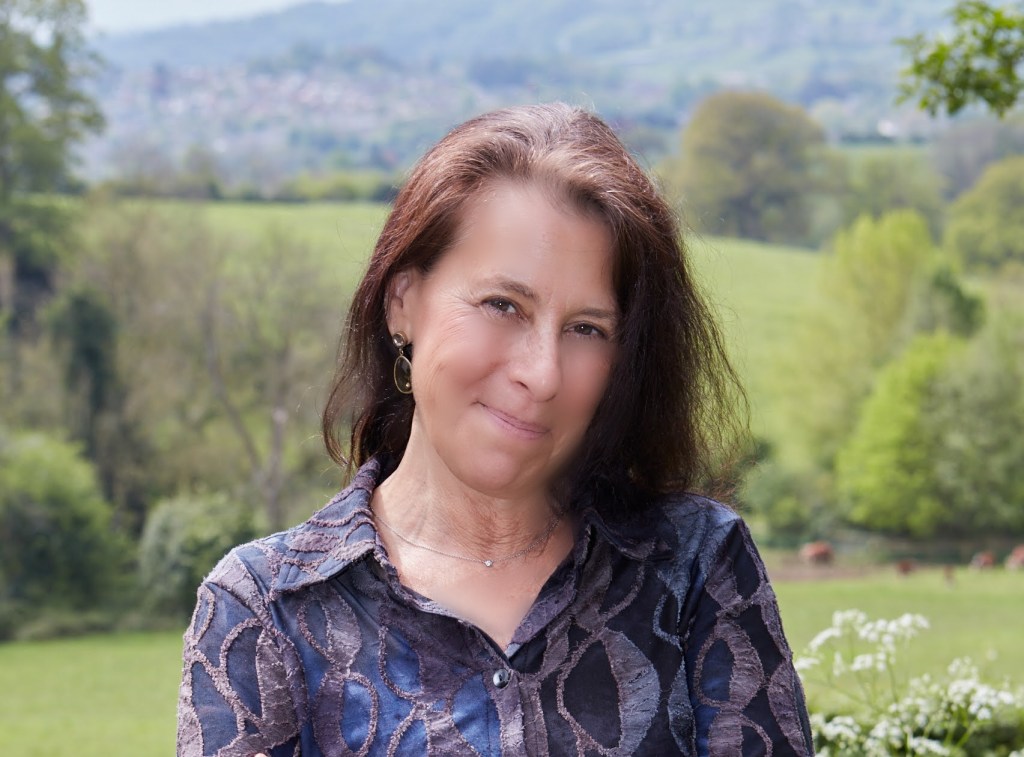
After becoming a mother and attending one of former Vice President Al Gore’s early climate leadership trainings in 2007, Harriet Shugarman emerged as a leading voice in the global parent climate movement. She founded one of the earliest parent-focused climate organizations, ClimateMama, in 2009, helped bring thousands of parent voices to the 2015 UN climate summit, and authored How to Talk to Your Kids About Climate Change, Turning Angst to Action.
The scope and persistence of her work over nearly two decades is striking. What sustains that level of passion and commitment over time?
Curious about that question, I sat down with Shugarman for an in-depth conversation in March 2026. What emerged was not a single moment of inspiration, but a lifetime of experiences that gradually assembled into something deeper—a calling.
Growing Up in the Light
Shugarman grew up in western Canada, near Edmonton, where mountains, lakes, and long summer days stretching toward midnight formed the backdrop of daily life.
Much of those summers were spent at a simple lakeside cottage south of Edmonton, where her family lived from June through August. “We were just allowed to run free—catching tadpoles, swimming, exploring,” she recalls. The experience left a lasting imprint. The lake remains part of her life today, though she has watched it change due to warming temperatures and pollution. “It worries me,” she says. “I think about whether my children’s children will have the same experience.”
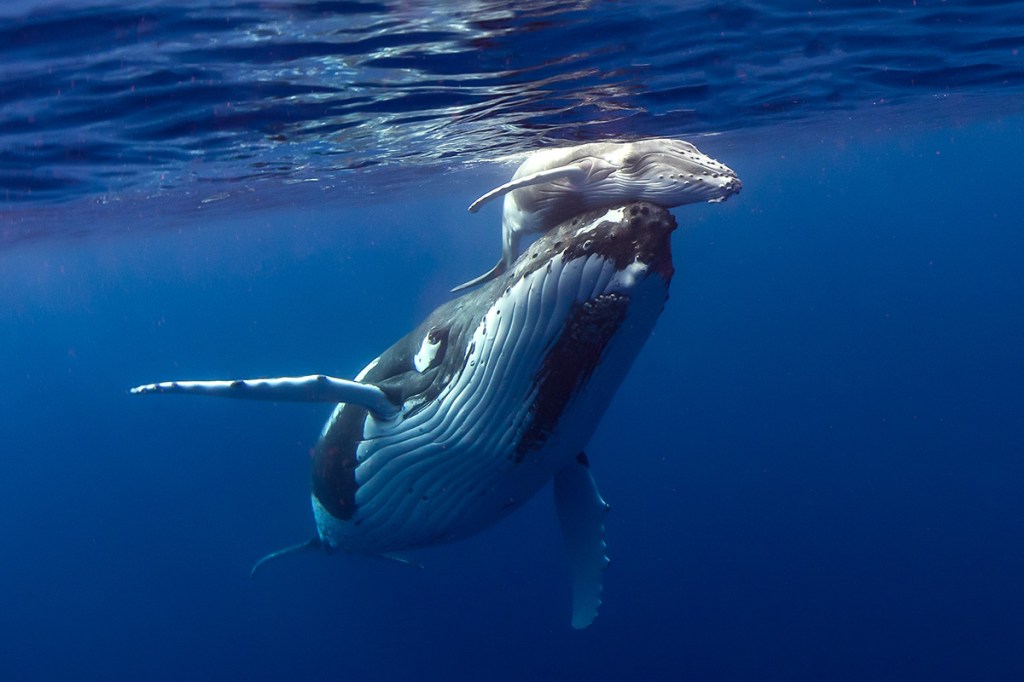
Another early influence came from family trips to Hawaii, where she saw humpback whales each winter. “I felt honored each year to see these magnificent creatures,” she says. “Seeing mothers swimming beside their calves—their intelligence and compassion and love for their young.” But that awe came with a growing sense of responsibility. “You realize how fragile their world is because of us. It’s hard not to feel responsible.”
There was also an irony woven into her upbringing. Alberta is the heart of Canada’s oil industry. “It’s the Texas of Canada,” she says with a laugh. “Oil was the economic engine. Many of my friends and family worked and still work in that industry. We were proud of providing energy to the world.” At the time, she didn’t question it. “We just didn’t connect the dots yet.”
A Wider World
In her late teens, Shugarman took a gap year—an unconventional choice at the time. She traveled through Europe before spending nearly a year on a kibbutz in Israel, working in orchards picking oranges and persimmons. “It was my first real independence,” she says. “And every week we were traveling somewhere new in the natural landscape.” The experience broadened her perspective and added another layer to her appreciation for the natural world.
Later, working with the International Monetary Fund at the United Nations in New York, she traveled to conferences around the world and found herself in rooms where global policy was being shaped. During preparations for the 1992 Earth Summit in Rio, she watched diplomats negotiate the early framework of international climate agreements. “I was sitting in those rooms as they drafted the framework we still use today,” she says.
But at the time, climate change still felt distant. “It felt like something that would matter years down the road,” she remembers.
The Aha Moment
That changed in 2007.
By then, Shugarman had moved to New Jersey with her husband and two young children and was searching for her next step. At her husband’s suggestion, she attended a climate leadership training in Nashville, led by Al Gore, inspired by the film An Inconvenient Truth. “I had no idea what I was getting into,” she says. The training brought together 150–200 participants—pastors, athletes, mayors, scientists, and activists—all learning to present Gore’s climate slideshow.
The experience was transformative. “That was my ‘aha’ moment,” she says.
Returning home, she began giving presentations wherever she could. “I gave a lot of talks—anywhere anyone would have me—schools, community groups, houses of worship.” Sometimes the impact surprised her. One presentation helped inspire a New Jersey politician to run for Congress. Another influenced a young girl who later pursued environmental work.
“You never know who takes a kernel of what you say and carries it forward,” she says.
The Birth of ClimateMama
The idea for ClimateMama came from her children’s elementary school. Shugarman joined the school’s green committee hoping to have conversations about climate change. Instead, the focus was mostly on recycling.
“I realized there was nothing out there to help parents talk about climate change with their kids,” she says. So, she created it.
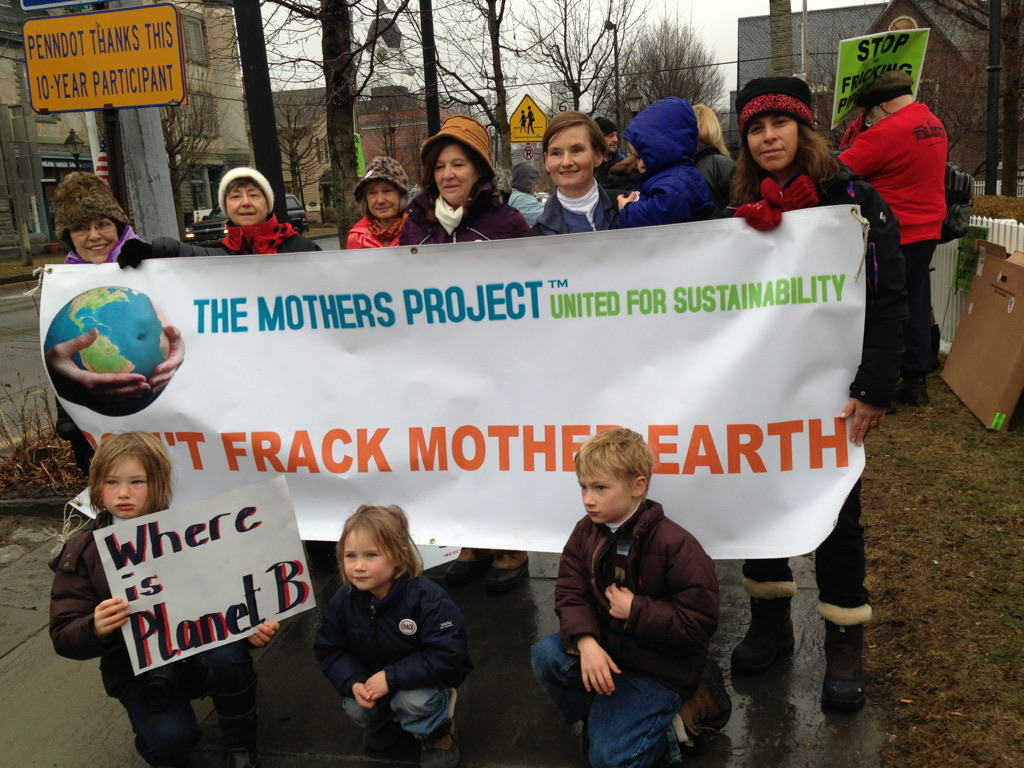
ClimateMama began in 2009 as a platform helping parents navigate climate conversations with their families. Over time, it expanded into broader advocacy—mobilizing parents around issues like fracking, fossil fuel infrastructure, and climate education.
Her insight was simple: climate change becomes more real when people think about their children. “When you change the face of the crisis from the polar bear to their child, something shifts inside people,” she says.
That insight helped drive a meaningful moment. In the lead-up to the 2015 Paris climate negotiations, she helped organize a global parent petition calling for stronger climate action. Thousands of signatures were delivered to the United Nations Secretary-General. That petition became the seed for Our Kids Climate (OKC), a global network building the strength of the parent and intergenerational climate movement. Shugarman now chairs the OKC Advisory Council.
“It is about emotions,” she says. “Because when people talk about their children and future generations, it touches the heart.”
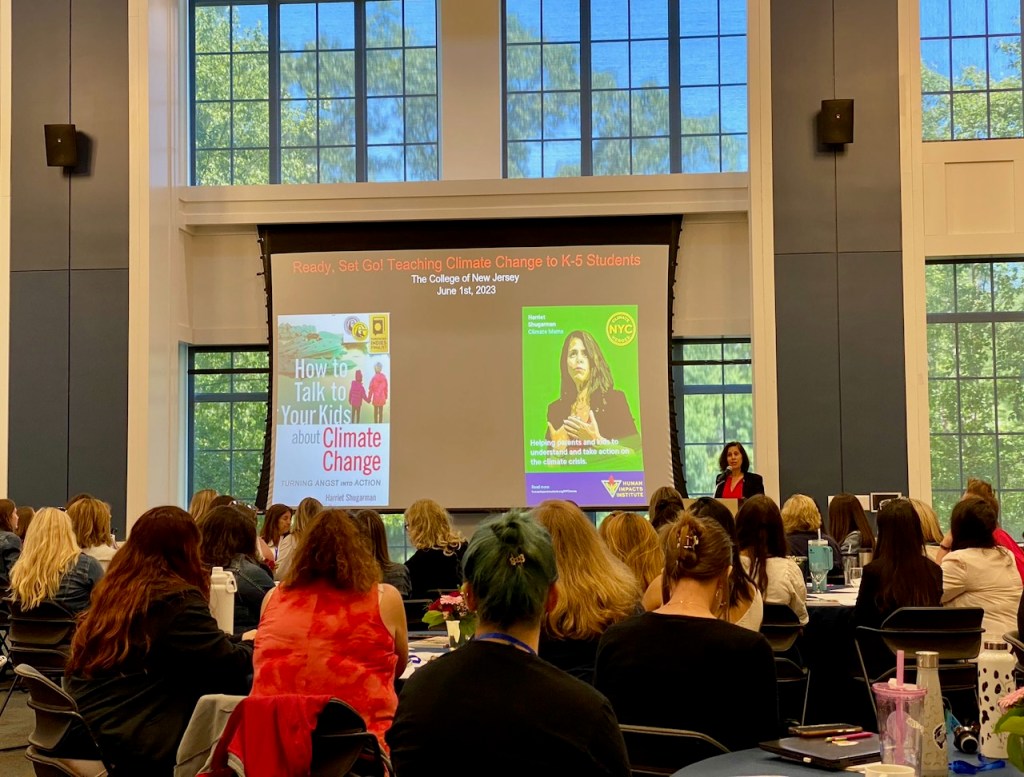
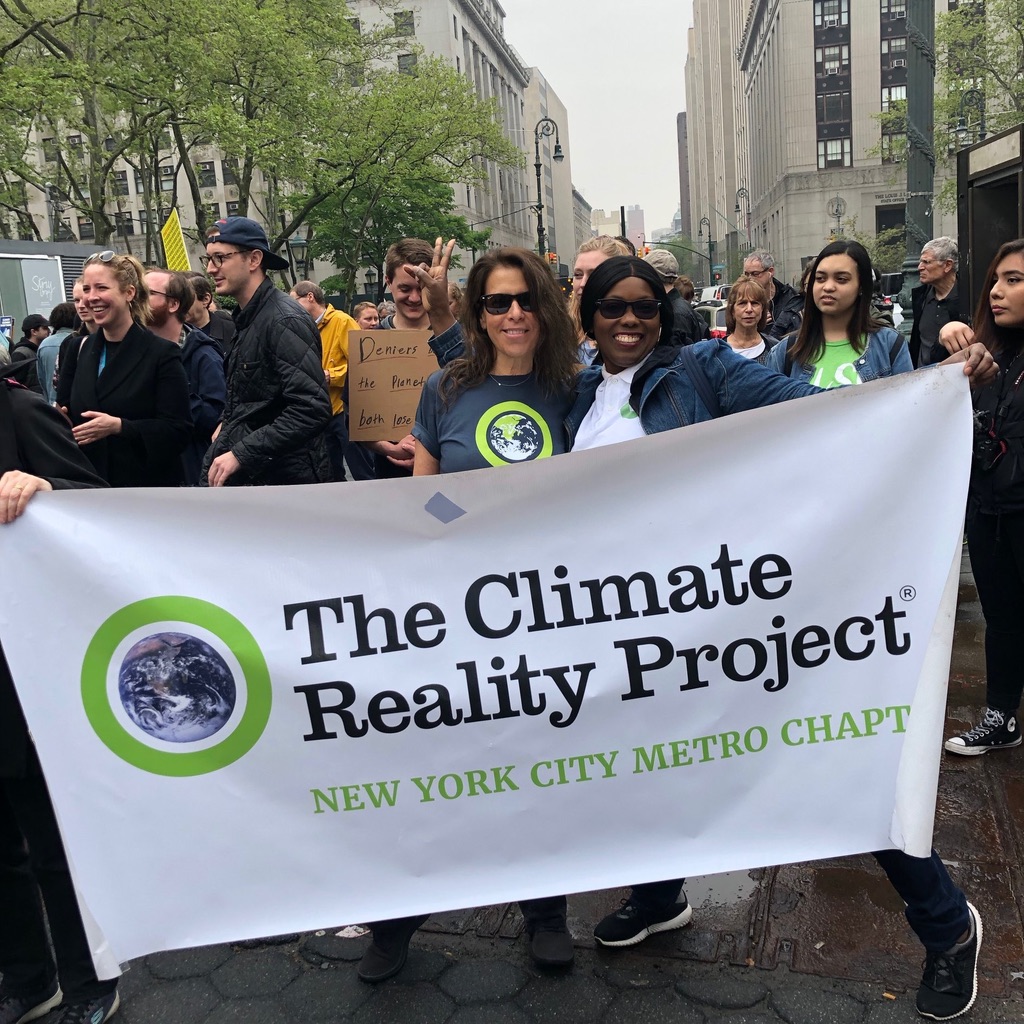
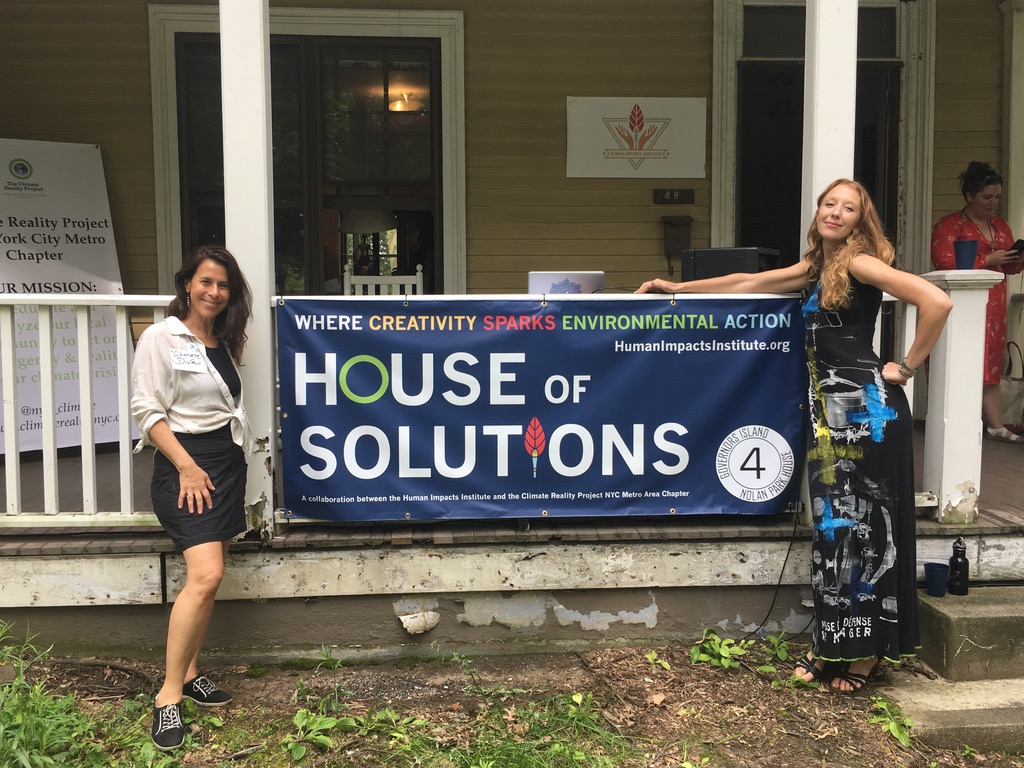
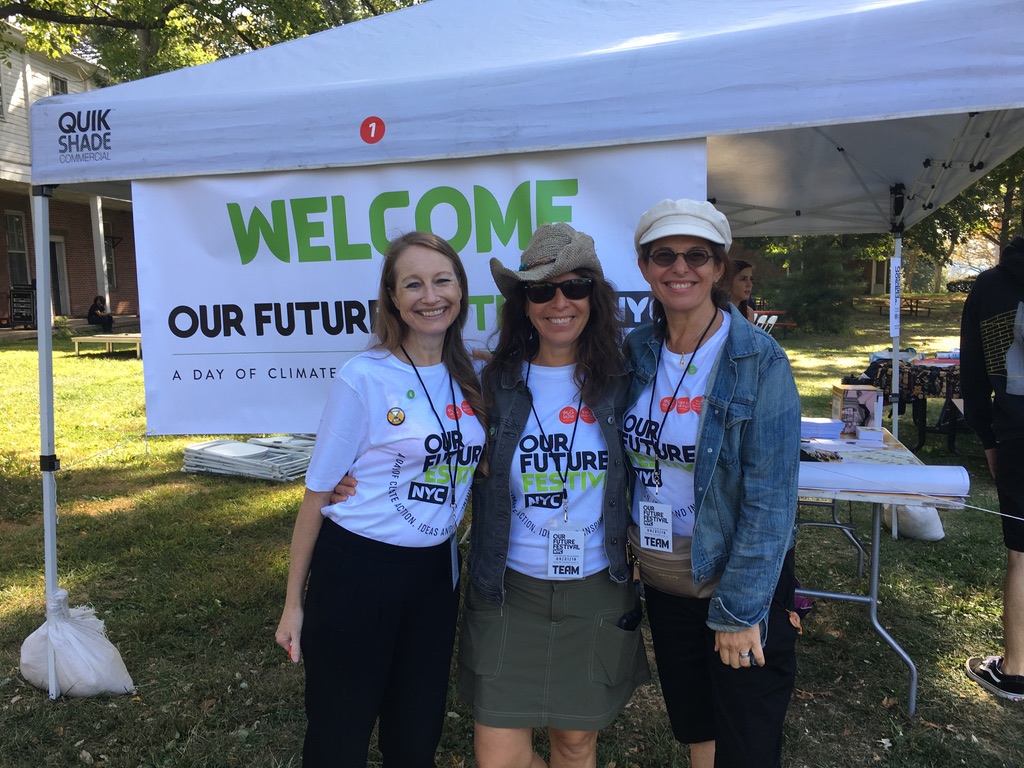
Her simple act of trying to help and represent parents has mushroomed into a role that she probably couldn’t have imagined–countless speaking opportunities at important events, leading a Climate Reality chapter, partnerships, articles, videos, awards, marches, sitting on boards, teaching, and becoming an author.
A Calling, Not Just Another Volunteer Activity
When asked what has sustained her work for nearly two decades, Shugarman paused. “Honestly,” she says, “I think it’s my calling.”
“I feel I’ve thrown myself in with both feet and my heart into this climate world… I just can’t imagine this in some way, shape or form, not being part of my life.”
She doesn’t describe herself as the most technical expert or the most powerful advocate. Instead, she sees her role as a connector. “I think my superpower is bringing people together,” she says. “You introduce one amazing person to another amazing person, and something bigger comes out of it.”
That belief is rooted in her experience at the United Nations, where she saw how relationships and conversations create progress in unpredictable ways.
Living as an Ancestor
Perhaps the deepest thread running through Shugarman’s work is an idea she returns to often. “Our role as ancestors weighs heavily on me,” she says.
Shugarman stands out in how she thinks about that idea. Instead of seeing ancestors only as those who came before us, she asks a different question: What kind of ancestor will we be? The phrase captures something larger than activism. It’s a moral perspective—one that asks us to imagine how we will be remembered by those who come after us. For Shugarman, the question isn’t abstract. It shapes how she sees the climate crisis—not just as an environmental challenge, but as a question of legacy. The answer, she believes, is written in the choices we make now.
Perhaps today’s small efforts will one day be seen for what they were: the work of people trying, in their own imperfect ways, to be good ancestors.
Shugarman’s views are shaped by all the inspirational people, groups, films, and books she’s encountered through her climate work. A few that she highlighted are Joanna Macy’s “Great Turning” framework, indigenous women’s wisdom (Women’s Earth and Climate Action Network—Osprey Orielle Lake), Jill Kubit (Dear Tomorrow and Our Kids Climate), and Lise Van Susteren (mentor in climate psychiatry).
The Ripple Effect
Despite the challenges of the climate crisis—and the political turbulence surrounding it—Shugarman remains optimistic.
She points to tangible progress, like a recent effort in New York State to integrate climate education across subjects and grade levels. Beginning in 2027, students will learn about climate change across disciplines. “That’s systems change,” she says. “Every kid needs to understand that every job will be a climate job.”
Moments like that reinforce her belief in the ripple effect. Small actions—conversations, introductions, presentations—can spread outward in ways no one fully predicts. “The ripples can turn into tidal waves.”
Resources & Links
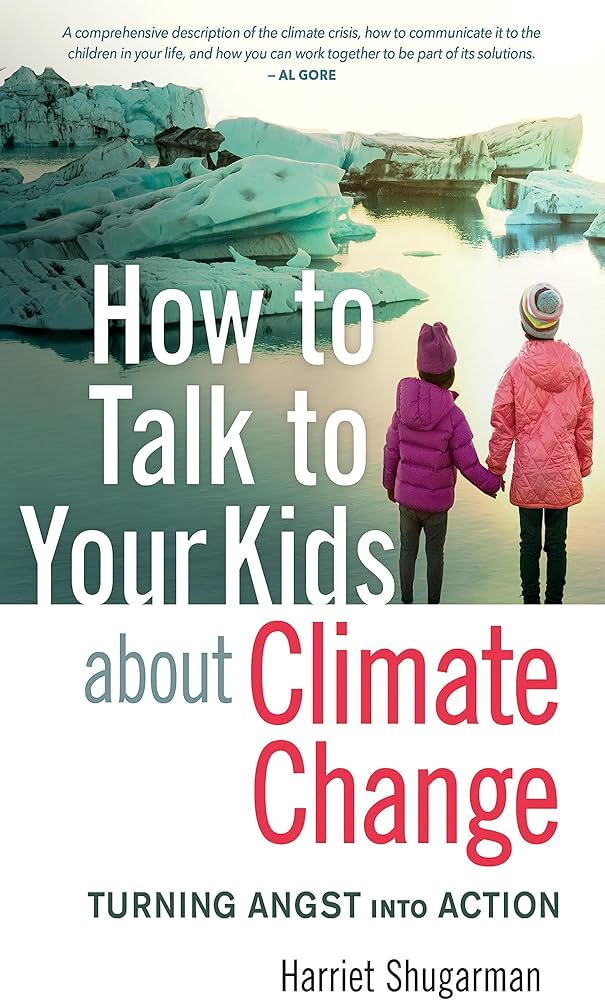
Book: How to Talk to Your Kids About Climate Change
Our Kids Climate (ourkidsclimate.org)
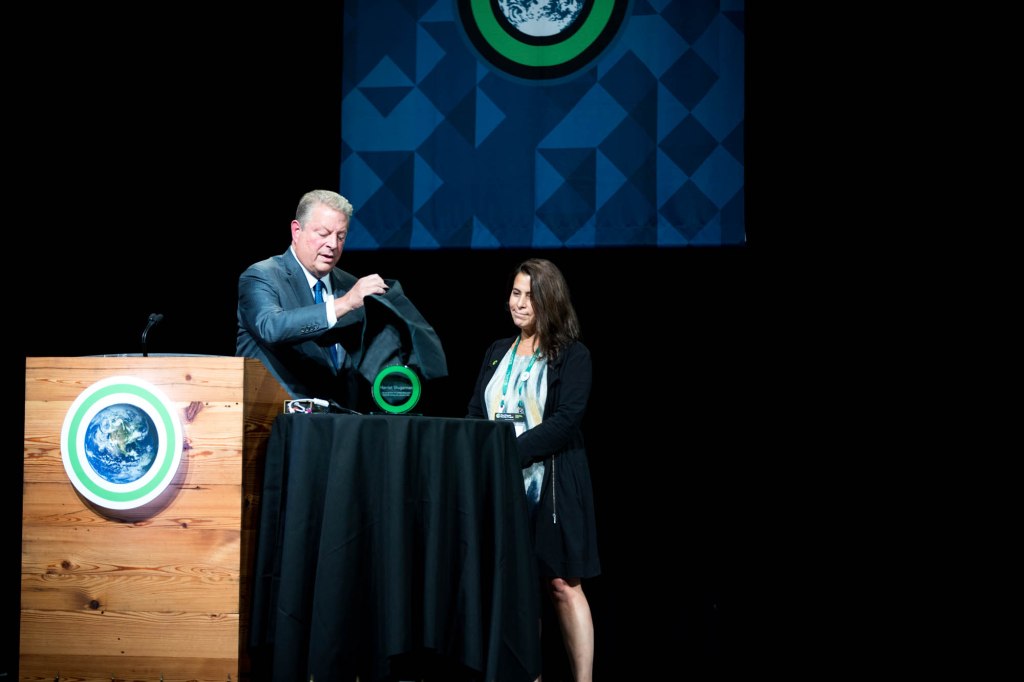
Al Gore Honors New Jersey Climate Activist Harriet Shugarman
 The Ethos Project
Leave a comment